Electric vehicle (EV) connectors must operate reliably despite intense vibration, thermal cycling, moisture exposure, and elevated temperatures. Adhesives and sealants applied to connector housings, cable entries, and termination points significantly improve sealing performance, vibration resistance, and mechanical stability. These materials can also introduce long-term failure modes driven by thermal expansion mismatch, chemical aging, and environmental degradation.
This article explains how adhesives and sealants improve connector reliability through moisture barriers, vibration damping, and mechanical stabilization. It also reviews aging mechanisms that degrade performance over vehicle lifetime, from thermal cycling damage to material hardening or softening and moisture-assisted debonding. The article concludes with application-specific tradeoffs for high-voltage power connectors, low-voltage signal connectors, and PCB-mounted assemblies.
Mechanisms that improve connector reliability
Adhesives and sealants improve connector performance through four primary mechanisms:
- Moisture and contamination barriers: Gasketing sealants, potting compounds, and overmolds create continuous barriers that block water, road salt, and coolant ingress, reducing corrosion at contact interfaces and crimped terminations. Bonded elastomeric overmolds seal complex geometries around busbars and power distribution components more reliably than discrete O-rings or compression gaskets.
- Vibration damping and mechanical stability: Elastomeric and filled potting compounds absorb shock and restrict micro-movement of terminals, solder joints, and crimped connections, mitigating fretting wear, solder fatigue, and wire breakage under continuous vibration. Structural and semi-structural adhesives distribute mechanical loads between housings and mounting supports, minimizing local stress concentrations at connector interfaces.
- Strain relief and cable retention: Adhesive beads or overmolds applied at cable exit points reduce cyclic bending stress and prevent gradual loosening of grommets or backshells. This retention maintains sealing integrity under vibration and prevents moisture ingress.
- Thermal and chemical protection: Many automotive-grade adhesives withstand battery-pack temperatures and exposure to glycol-based coolants and lubricating oils. Bonded seals typically remain stable longer than mechanically compressed elastomer seals, which can relax or creep during sustained compression and elevated temperature.
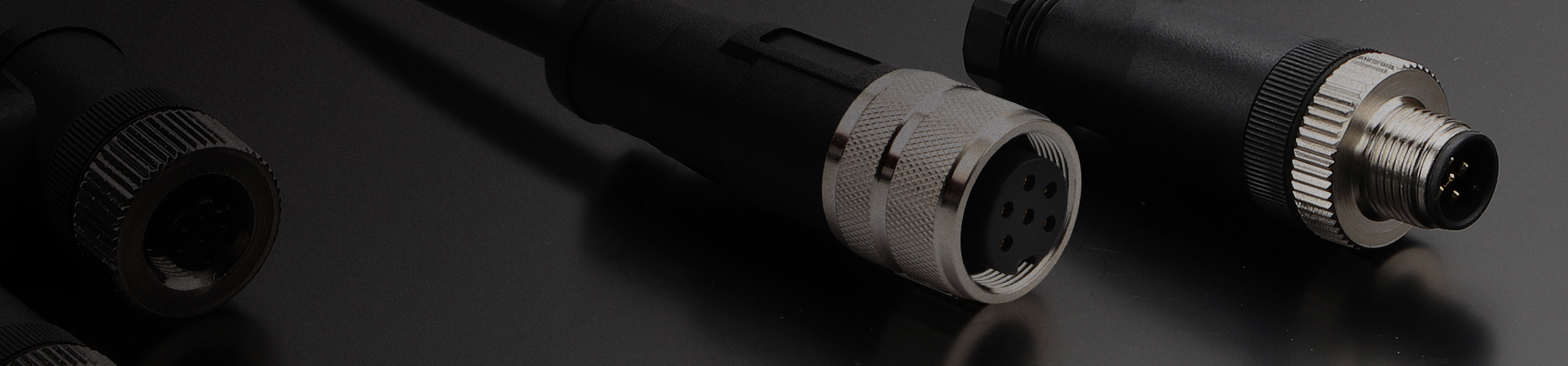
Figure 1. Overmolded connector boot integrates strain relief and environmental sealing at cable exit. (Image: Hooha Harness)
As shown in Figure 1, overmolded elastomer boots at connector cable exits integrate strain relief with environmental sealing, reducing cyclic bending stress and maintaining seal integrity despite vibrations.
High-current busbar connections demonstrate this design approach. As shown in Figure 2, bonded elastomer seals around the conductors provide coolant sealing and mechanical immobilization, minimizing vibration-induced cracking at bolted or welded terminations.

Long-term aging and failure mechanisms
Adhesive and sealant performance can degrade when material or interface properties fail to match operating conditions. Four mechanisms typically contribute to this risk: thermal expansion mismatch and interface cracking, material hardening or softening, chemical degradation, and moisture-assisted debonding.
Thermal expansion mismatch is often the dominant driver. Differences in the coefficient of thermal expansion among adhesives, plastic housings, and metal terminals generate shear stress during thermal cycling. Repeated temperature swings produce micro-cracks and progressive debonding at material interfaces. Once cracks form, moisture pathways develop, increasing stress concentrations in the remaining bonded areas.
Material hardening or softening is another primary driver. Some epoxy systems become brittle with thermal aging, while certain polyurethane or silicone formulations soften or creep under sustained compression at elevated temperature. Brittle materials transmit more vibration energy and may fracture under shock. Over-soft materials lose sealing force, allowing connector grommets to pump under vibration, degrading environmental protection.
Chemical degradation is also a significant aging mechanism. Coolants, oils, and cleaning fluids can extract plasticizers or chemically attack polymer networks, weakening adhesion and altering elastic modulus. In battery systems, prolonged exposure to glycol-water mixtures is a known cause of premature sealant failure.
Moisture-assisted debonding is another key failure mode. Absorbed water lowers glass transition temperature, swells polymer networks, and degrades interfacial adhesion. Repeated absorption and desorption cycles accelerate adhesive-substrate damage. In severe cases, moisture combined with elevated temperature produces voids and progressive delamination.
Fretting corrosion introduces an additional reliability risk at partially debonded interfaces. When a compliant potting layer cracks or separates, the interface may still permit micro-motion while trapping humidity and oxygen, accelerating corrosion at contact surfaces. The resulting rise in contact resistance can trigger intermittent electrical faults before catastrophic failure.
From a system reliability perspective, adhesives and sealants can shift failure modes from obvious housing breaches to subtler interface issues such as partial seal failure, internal corrosion, and contact resistance drift.
Connector categories and design tradeoffs
Adhesive and sealant strategies vary by connector type due to differences in voltage, current capacity, environmental exposure, and serviceability. Design priorities and failure risks differ across three primary connector categories:
- High-voltage power connectors and busbars: Prioritize creepage and clearance distances, coolant sealing, arc-flash containment, and structural retention. Bonded elastomer overmolds and potting provide coolant-resistant sealing, stabilize busbars, and maintain insulation spacing. Because fluid leakage or arcing incurs severe consequences, sealing and mechanical immobilization are critical. At the same time, large copper sections and steep thermal gradients increase thermal expansion mismatch risk, and potting effectively eliminates serviceability, placing greater emphasis on long-term adhesive reliability.
- Low-voltage signal and control connectors: Emphasize stable contact resistance, electromagnetic compatibility, corrosion resistance, and field serviceability. Common approaches include perimeter gaskets, gel ingress barriers, and light potting or strain relief. Additional sealing provides moderate benefit, as contacts are mechanically robust and frequently gold-plated for corrosion resistance. Over-potting may increase solder stress and complicate rework with limited incremental protection when integral IP-rated gaskets are already present, so permanent adhesives across mating interfaces are generally avoided.
- PCB-mounted connectors: Operate under high vibration and thermal cycling while mounted to circuit boards with thermally sensitive solder joints in battery management modules, inverter controllers, and onboard chargers. Potting or encapsulation provides effective damping and moisture protection, but increases solder fatigue risk if rigid materials are used. Soft, low-modulus silicones or flexible polyurethanes better accommodate differential expansion between connectors and circuit boards. Rework and inspection become significantly more difficult once assemblies are potted, allowing latent defects to remain undetected until field failure.
Material selection criteria
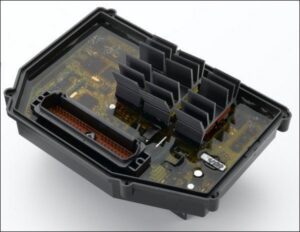
As shown in Figure 3, potting compounds encapsulate surface-mounted components and connector terminations on control module circuit boards, providing vibration damping and environmental protection while accommodating thermal expansion.
Material selection for high-vibration environments favors low- to medium-modulus materials with high elongation for damping and thermal expansion. Toughened epoxies maintain high shear strength while improving peel resistance and thermal cycling tolerance.
Polyurethane potting compounds balance strength and flexibility with effective vibration damping where thermal mismatch and shock loads are significant. Silicone gels and elastomers provide wide operating temperature capability and excellent fatigue life in assemblies with large differential expansion between metals and plastics.
Summary
Adhesives and sealants improve EV connector reliability through environmental sealing, vibration damping, and mechanical stabilization, reducing moisture ingress, corrosion, and fretting at contact interfaces. Long-term performance depends on selecting materials compatible with thermal cycling, chemical exposure, and substrate expansion. Aging mechanisms such as thermal mismatch cracking, material hardening or softening, and moisture-assisted debonding can erode initial reliability gains when material or interface properties fail to meet operating requirements. Strategies vary across high-voltage power connectors, low-voltage signal connectors, and PCB-mounted assemblies, reflecting distinct environmental demands, serviceability requirements, and failure consequences.
References
How Adhesives and Sealants Improve Electric Vehicle Durability and Reliability, Three Bond India
Adhesives and Sealants in Battery and Hybrid EVs, Adhesives.org
EV Thermal Management: How Adhesives Play a Crucial Role, PermaBond
EV Battery Module Adhesives: Everything You Need to Know, LaserAx
The Role of the Adhesives Industry in America’s Transition to Electric Vehicles, ThreeBond
What is PCB Potting – How It Protects Circuits against Moisture, Vibration, and Corrosion, SierraAssembly
Innovation for EVs: The Tightest of Seals, Freudenberg
The Role of Structural Adhesives in the Assembly of Automotive Electronic Components, PolytonTech
Sealing Solution for EVs, Adhesive Mag
Feedback from Connector Failure Analysis, EPCI
Why Adhesives Technology for EV Batteries Matters More Than Ever, BatteryTechOnline
Robust, Cost-Effective Sealing is Key to Success for Preventing Coolant Leakage for Busbars in EV Drivetrains, Ennovi
Related EEWorld content
What is the Role of Engineering Coatings in EVs?
Keeping EVs Quieter and More Comfortable
What are Contactless Connectors Used For?
How Coatings Can Streamline and Safeguard EV Construction Projects
Advanced Fire-Resistant Coatings for EV Battery Housings